
How to Choose the Right Elevator for Your Commercial Building in Vapi
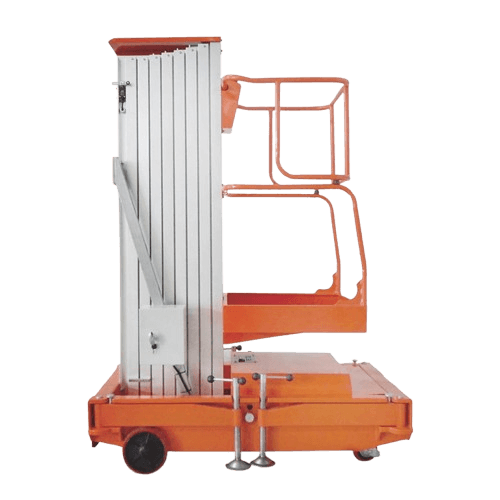
Installing an elevator is a long-term decision - most systems run for 15-20+ years. Choosing the wrong type, capacity, or vendor can mean costly retrofits or ongoing maintenance headaches. Here's how to think through it if you're planning a commercial or industrial building in Vapi or South Gujarat.
Step 1: Identify the Elevator Type You Actually Need
| Elevator Type | Best For |
|---|---|
| Passenger Elevator | Office buildings, retail, residential complexes |
| Goods Lift | Warehouses, factories, retail stockrooms |
| Hydraulic Elevator | Low-to-mid rise buildings (up to 5-6 floors) needing smooth, quiet operation |
| Hospital Elevator | Healthcare facilities - sized for stretchers/beds, designed for smooth, vibration-free rides |
| MRL (Machine Room-Less) Elevator | Buildings with limited space for a separate machine room |
| Home Elevator | Individual bungalows, villas, small residential buildings |
Step 2: Calculate Real Load & Capacity Needs
Don't just plan for today - factor in future footfall or cargo volume growth. Underestimating capacity is one of the most common (and expensive) mistakes in commercial elevator planning.
Step 3: Consider the Building's Structural Constraints
- Shaft dimensions available
- Whether you have room for a machine room or need MRL
- Number of floors and travel height
- Power backup availability (critical for hospitals and 24/7 facilities)
Step 4: Factor in Local Conditions
Vapi and South Gujarat's industrial environment - humidity, dust in factory settings, and power fluctuations - means your elevator's components need to be rated for these conditions, not just standard urban specifications.
Step 5: Check Manufacturer vs Reseller
A big decision point: are you buying from the actual manufacturer, or a reseller/agent representing an outside brand?
Buying from a manufacturer based in Gujarat gives you:
- Faster installation timelines (no waiting on imported parts)
- Direct access to the engineering team for custom shaft/space constraints
- Local AMC (annual maintenance contract) support instead of routing service requests through a distant head office
Step 6: Plan for Maintenance From Day One
Elevators are safety equipment - deferred maintenance isn't an option. Ask upfront:
- What's the AMC structure and response time?
- Is there a local service team, or do requests go through a call center?
- How quickly can spare parts be sourced?
Common Mistakes to Avoid
- Choosing based on price alone without checking after-sales support
- Undersizing capacity to save on upfront cost
- Not confirming whether the installer is certified for your elevator type
- Ignoring power backup requirements for hospitals or critical facilities