
Overhead Crane Inspection Checklist: Ensuring Safety and OSHA Compliance
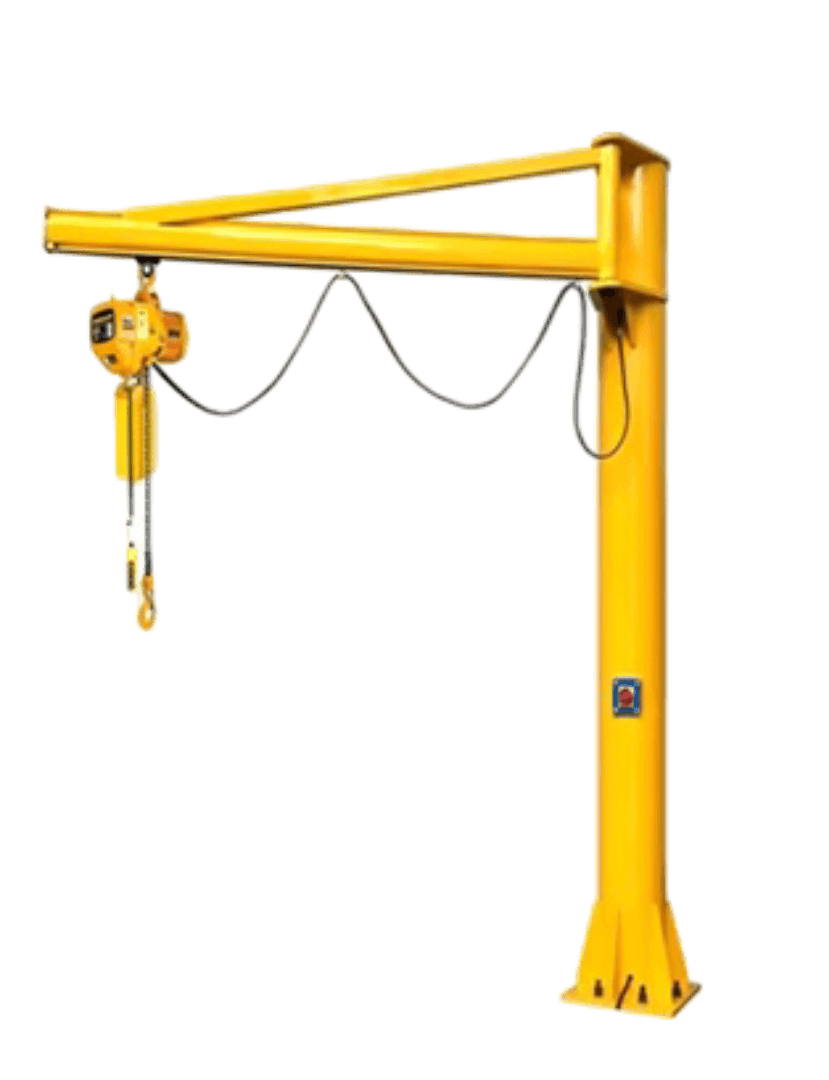
Lifting heavy components weighing several tons requires absolute mechanical reliability. Overhead cranes and electric wire rope hoists perform these critical tasks daily, but they operate under constant tension. Routine inspections are required by law under OSHA and ISO guidelines to prevent catastrophic failure. Here is a breakdown of what needs to be checked.
1. Daily Pre-Shift Operator Checks
At the start of every shift, the crane operator should perform a functional walk-through:
- Check that the hook latch is functional and not bent.
- Inspect the wire rope for visible kinks, frays, or bird-caging.
- Test the limit switches by running the hook block slowly to the top and bottom positions.
- Listen for unusual grinding noises in the bridge and trolley motors.
2. Monthly Wear Inspections
Maintenance staff should check critical components monthly:
- Measure hook wear: Hooks should be checked for deformation; a throat opening increase of more than 5% warrants replacement.
- Check brakes: Ensure there is no drift when the hoist stops carrying a full load.
- Inspect contactors: Look for pitted contacts or loose wiring in the electrical control panels.
3. Annual Structural Audits
A certified third-party inspector must evaluate the entire crane structure annually, checking the runway rails for alignment, inspecting all bolts for tightness, and testing the hoist for structural cracks using non-destructive testing (NDT) methods.
Conclusion
Keeping a detailed log of crane inspections protects your team, ensures compliance, and prevents expensive fines. Mechplus provides complete inspection support and spare parts for all industrial cranes.