
Hydraulic vs Electric Pallet Truck: Which One Do You Need?
If you're moving pallets manually, you've probably compared prices between hydraulic (manual) and electric pallet trucks and wondered if the extra cost is worth it. Here's a straightforward breakdown to help you decide.
The Core Difference
A hydraulic hand pallet truck is manually pumped and pushed - no batteries, no charging, low upfront cost. An electric pallet truck uses a battery-powered motor for lifting and/or movement, reducing physical effort and increasing speed.
Comparison Table
| Factor | Hydraulic Pallet Truck | Electric Pallet Truck |
|---|---|---|
| Upfront Cost | Lower | Higher |
| Maintenance | Minimal - mostly hydraulic fluid checks | Requires battery care, motor servicing |
| Operator Fatigue | Higher on long shifts | Much lower |
| Best For | Low-to-medium frequency use, smaller warehouses | High-frequency, multi-shift, larger facilities |
| Speed | Manual pace | Faster movement, especially over distance |
| Floor Requirements | Works on most warehouse floors | Best on smooth, even flooring |
| Learning Curve | None - intuitive to use | Minimal training required |
When a Hydraulic Pallet Truck Makes Sense
- Your warehouse has occasional, not constant, pallet movement
- You're working with a tighter equipment budget
- You need equipment that just works without charging schedules or battery replacement costs
- Your team moves pallets over short distances
When an Electric Pallet Truck Makes Sense
- You're running multiple shifts with high pallet movement volume
- Operator fatigue and injury risk from repetitive manual pumping is a real concern
- You're moving pallets over longer distances within a facility
- Speed and throughput directly affect your output targets
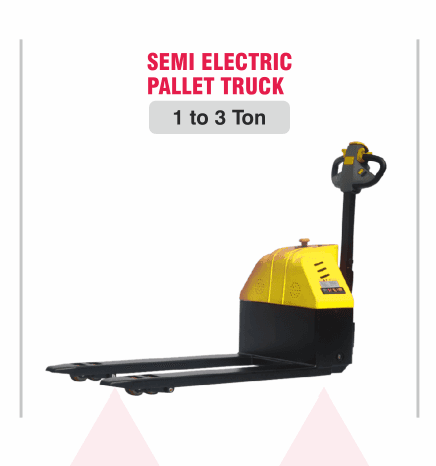
A Middle Ground: Semi-Electric Options
Some facilities don't need a fully electric truck but want to reduce manual pumping. Semi-electric or low-cost powered lift options can bridge the gap - worth discussing with your equipment supplier before committing to either extreme.
Total Cost of Ownership, Not Just Sticker Price
A hydraulic truck looks cheaper on paper, but if operator fatigue is slowing down your team or causing turnover, the "savings" may cost more in productivity. Conversely, an electric truck sitting mostly idle in a low-volume warehouse is an unnecessary expense. Match the equipment to your actual daily volume - not the other way around.
Not Sure Which Fits Your Operation?
The right choice depends on your shift patterns, floor conditions, and pallet volume - details a catalog can't tell you. Our engineers can review your operation and recommend the right fit, including hybrid or semi-electric alternatives.