
Optimizing Warehouse Efficiency: The Ultimate Hand Pallet Truck (HPT) Maintenance Guide
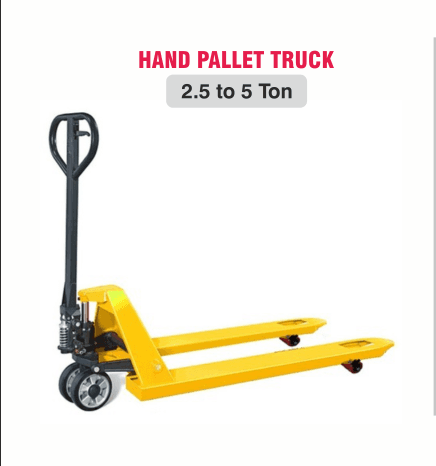
Hand Pallet Trucks (HPTs) are the unsung heroes of daily warehouse operations. While they are built to carry heavy loads day-in and day-out, neglecting their basic maintenance can lead to sudden failures, operational bottlenecks, and safety hazards. In this article, we share practical maintenance tips to keep your hydraulic pallet trucks running smoothly.
1. Check and Replenish Hydraulic Oil Regularly
The hydraulic unit is the heart of any pallet truck. Over time, oil levels can drop, or air can get trapped in the cylinder, causing the forks to lift poorly or not at all. Check the oil level every six months and top it up with standard hydraulic oil (ISO VG 32 or equivalent). If you feel a spongy action when pumping the handle, purge the air by holding the lowering lever down while pumping the handle rapidly 10 to 15 times.
2. Inspect and Lubricate Wheels and Axles
Worn-out wheels place extra strain on operators and can damage expensive warehouse floors. Clean wheels daily to remove entangled stretch wrap, threads, or metal chips. Apply a high-quality grease to the wheel bearings and pivot joints weekly. If polyurethane wheels develop flat spots or cracks, replace them immediately to prevent uneven load distribution.
3. Keep an Eye on the Load Chain and Alignment
The lowering chain can become loose or slip out of alignment over time. If the forks do not lower completely when the trigger is pulled, or if they lower too slowly, adjust the locking nut on the chain mechanism. Ensure that the pushrods under the forks are straight; bent pushrods will lead to uneven lifting and premature seal failures.
4. Avoid Overloading
Never exceed the rated capacity (e.g., 2.5 Tons or 3.0 Tons) marked on your HPT. Overloading will bend the forks, stress the chassis structure, and blow out the hydraulic seals, posing a severe hazard to your staff.
Conclusion
By dedicating just 10 minutes a week to checking and greasing your pallet trucks, you can prevent major breakdowns, maintain high warehouse throughput, and ensure your team stays safe. For major structural repairs or seal replacements, always consult certified technicians from your manufacturer.