
Preventing Dock Leveler Failures: Crucial Maintenance Tips for Busy Loading Bays
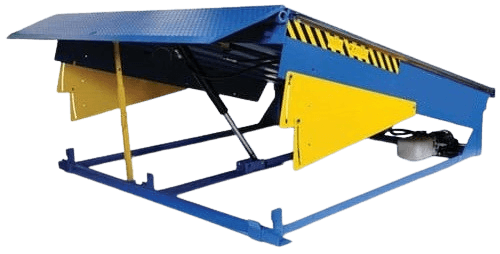
A broken dock leveler can bring your entire supply chain to a halt. When shipping docks are inactive, trucks queue up, cargo sits idle, and business costs soar. Regular preventative maintenance is the only way to avoid these expensive breakdowns. Here are four steps to keep your dock levelers operating reliably.
1. Keep the Pit Clean
The space beneath a dock leveler (the pit) accumulates dust, dirt, wrapping plastic, and packaging bands. This debris can clog the mechanical springs, bind the hinge points, and block hydraulic cylinders, preventing the leveler from extending fully. Clean the pit weekly using a industrial vacuum or broom.
2. Monthly Lubrication of Hinges
Dock levelers experience heavy impact every time a forklift drives over them. To absorb this stress, the lip hinges, rear hinges, and cylinders must be well-lubricated. Apply high-pressure grease to all zerk fittings monthly. Lack of lubrication causes premature wear of the hinge pins, leading to costly structural replacements.
3. Inspect Structural Welds
Over time, the repeated impact of heavy forklifts can cause hairline cracks in the support beams (deck beams) or hinge welds. Inspect the underside of the deck quarterly. If you spot cracked welds or a sagging deck plate, immediately take the leveler out of service and schedule structural repairs.
4. Check Hydraulic Fluid and Pressure Settings
For hydraulic dock levelers, inspect the fluid level in the reservoir and check hoses for signs of dry rot or leaking fittings. Ensure the velocity fuse is clean and free of rust; this safety device prevents the leveler from falling if a truck pulls away while a forklift is still on it.
Conclusion
Loading dock maintenance keeps your logistics moving. Incorporate these inspections into your facility management schedule to ensure smooth loading and unloading operations.